TreeGuy.ai
Enter password to continue
Incorrect password
Enter password to continue
Incorrect password
23,159 trees. Every one counted.
Each tree individually identified to species, geolocated via GPS, and assessed for diameter, height, estimated age, condition, and native range status.
Every tree is on the map and in the table: searchable, filterable, and exportable.
All 23,159 trees on satellite imagery or a street map, clustered until you zoom in. Click any tree for its species, size, condition and notes.
Color the trees by condition, site, native status, or trunk size, with a legend to match. Click a site's card to fly straight to it.
Search by common name, Latin name, or tree number, on the map or in the table. Find every oak on campus in a few keystrokes.
Narrow to a site or a condition, or to a range of trunk diameter, height, or estimated age. Native status on the map; trees or shrubs in the table.
The explorer lists every tree, 100 to a page, with its condition notes and field notes. Sort by any column.
Download exactly what you've filtered as a CSV file, ready for a spreadsheet.

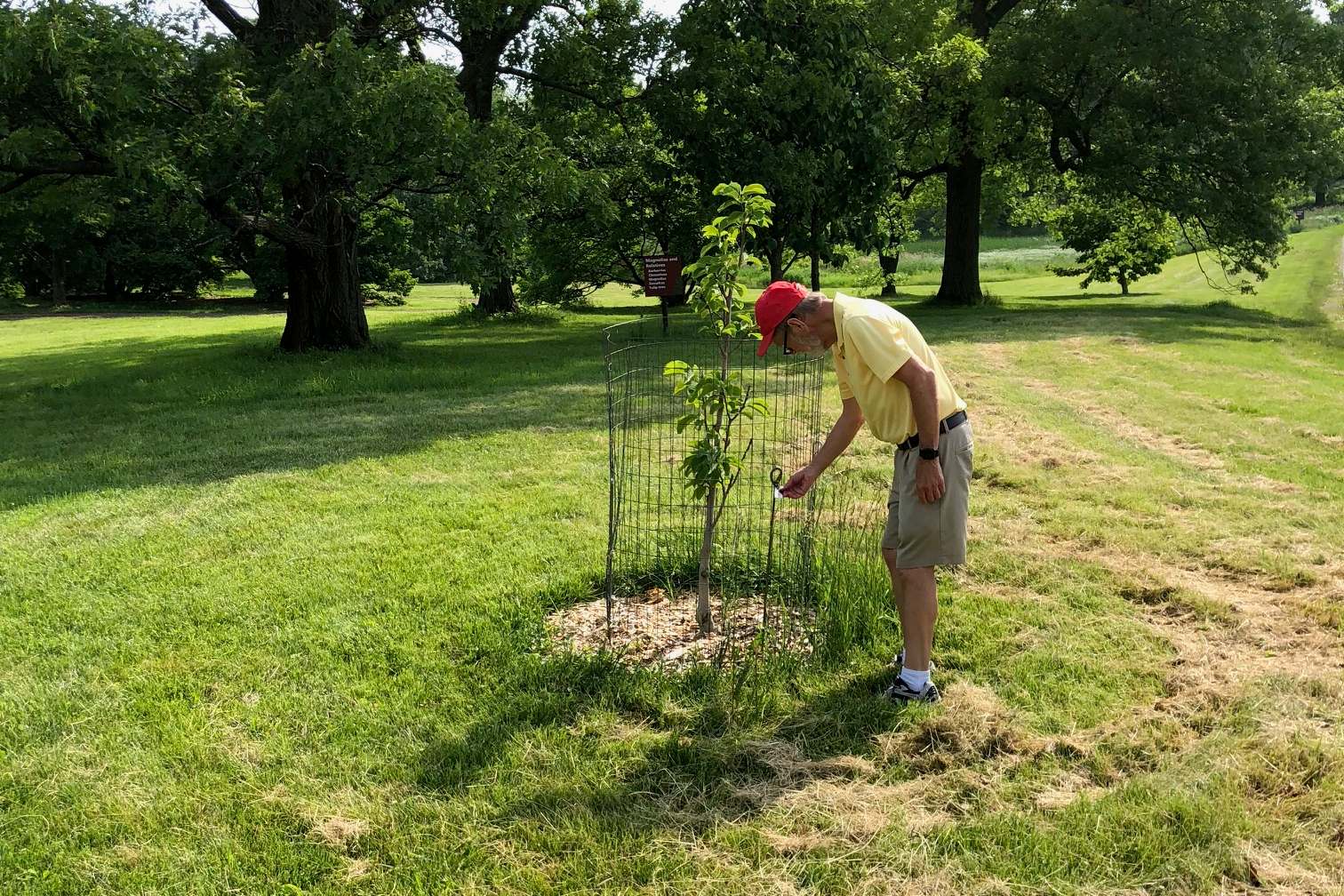
TreeGuy.ai is the work of Tom Eliseuson — a retired geophysicist and former supercomputer sales executive who turned a retirement hobby into one of the most comprehensive independent arboricultural inventories in the region.
Every tree in this database was individually visited, identified to species (with Latin nomenclature), measured for trunk diameter and height, assessed for condition, classified by native range status, and geolocated via GPS. The work spans five sites across Pennsylvania and Virginia, totaling over 23,000 trees and 400+ species — including 253 heritage trees over a century old.
Tom Eliseuson was recognized by the University of Richmond for his volunteer work in the Spatial Analysis Lab with the UR Campus Tree Mapping Project, leading to the addition of 2,175 trees and counting to the inventory database. With a professional background as a geophysicist, Tom has also helped inventory trees at the University of Minnesota, the University of Pittsburgh, and Carnegie Mellon University.
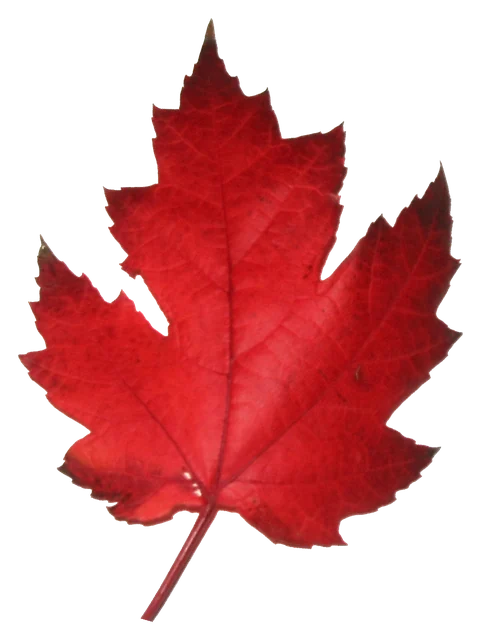 red mapleAcer rubrum
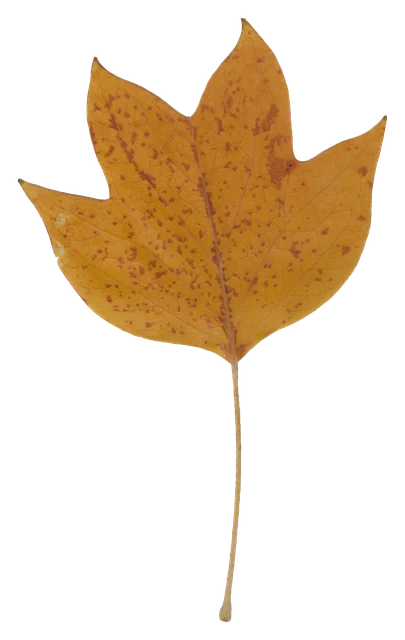 tuliptreeLiriodendron tulipifera
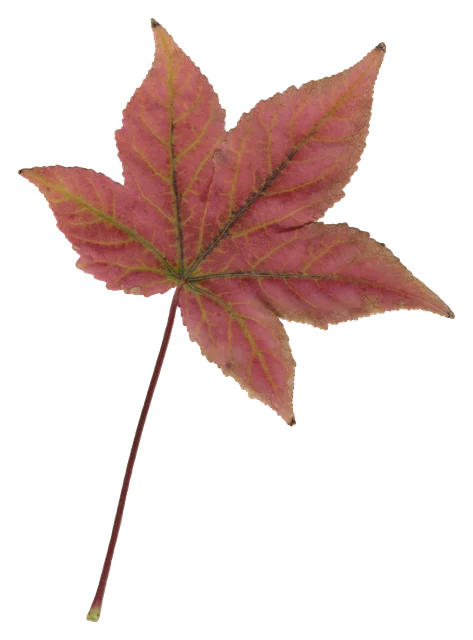 American sweetgumLiquidambar styraciflua
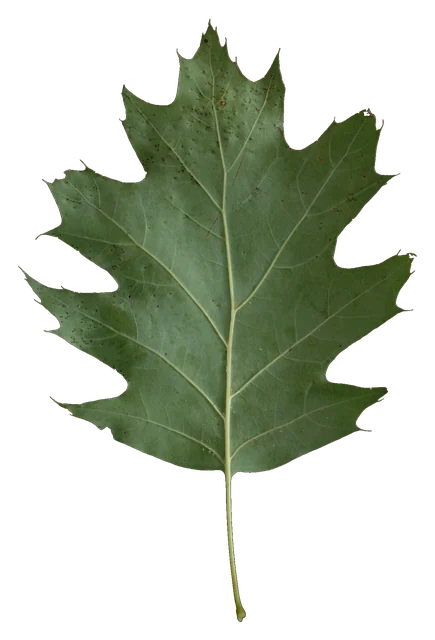 northern red oakQuercus rubra
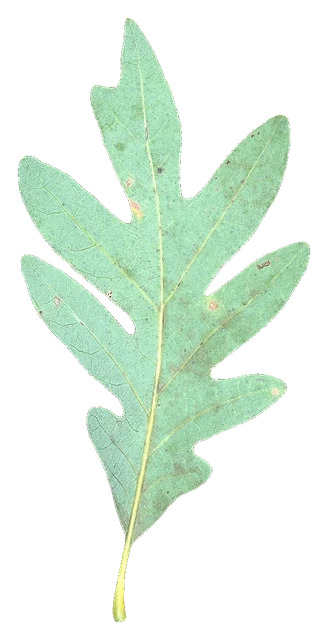 white oakQuercus alba